New Construction Homes in Moncton NB: What the 2026 Development Pipeline Tells Buyers and Investors
New Construction Homes in Moncton NB: What the 2026 Development Pipeline Tells Buyers and Investors
Moncton's new construction market in 2026 is not slowing down, it is shifting. Building permit values, housing starts, and active development applications all point to a city that is still building aggressively, but the composition of what is being built is changing. Multi-unit residential projects now dominate the pipeline, semi-detached homes with accessory dwelling units are gaining ground, and large-scale master-planned communities like the Vision Lands are beginning to shape the city's next decade of growth.
For buyers and investors tracking the Greater Moncton market, the development data available through the City of Moncton's open data portal and Plan360 offers a clearer picture of where supply is heading than any listing feed can. Understanding what is being permitted, where it is being built, and what type of housing is coming online is the difference between buying into a neighbourhood at the right time and overpaying for a location that is about to be saturated with competing inventory.
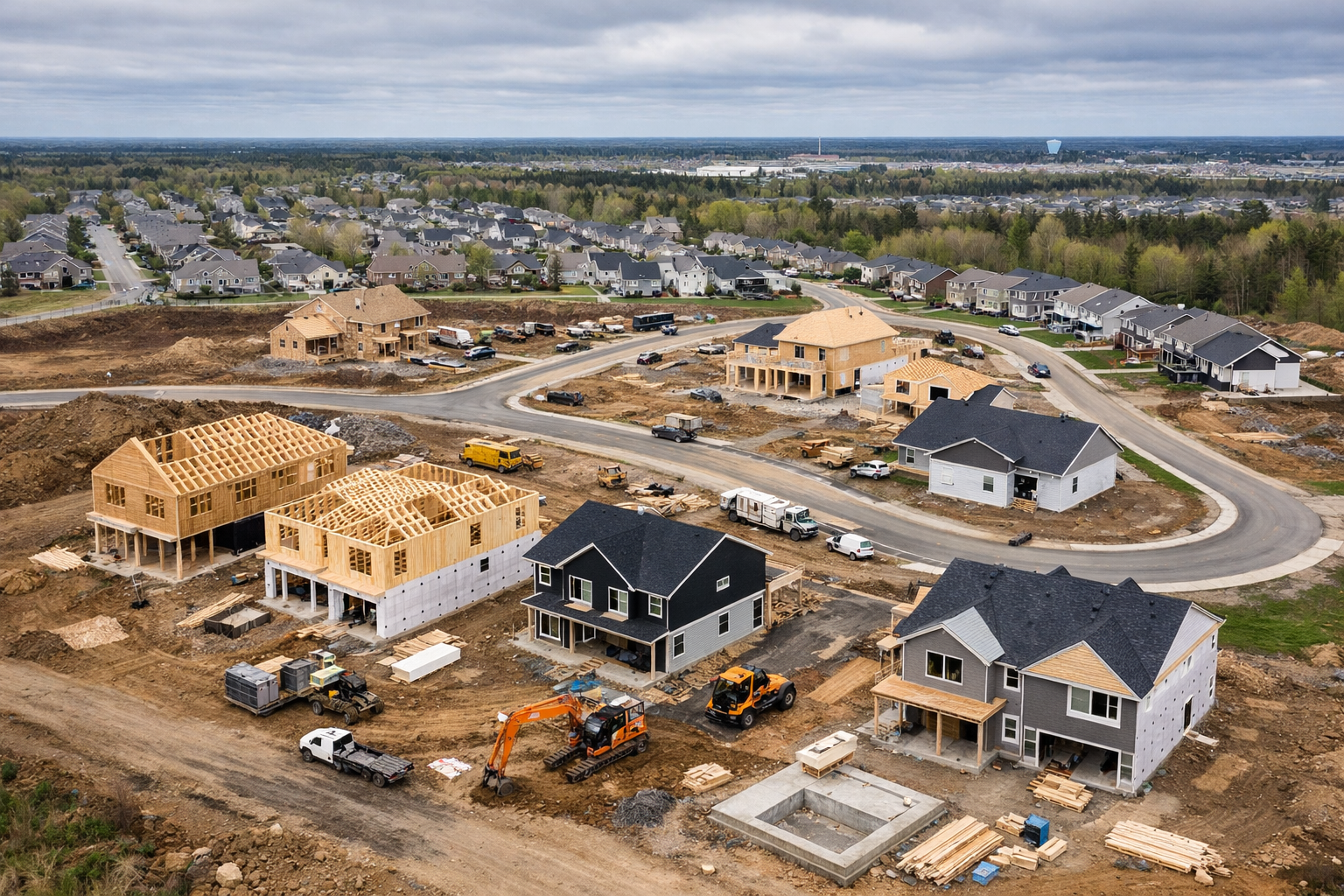
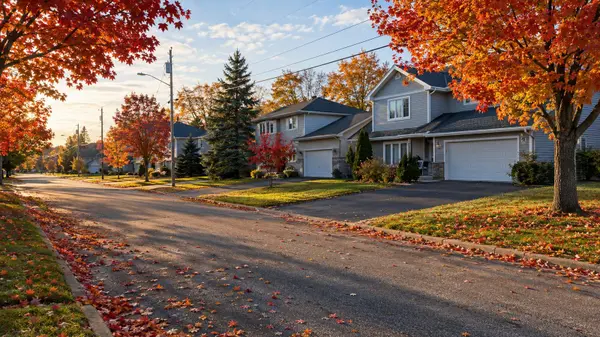
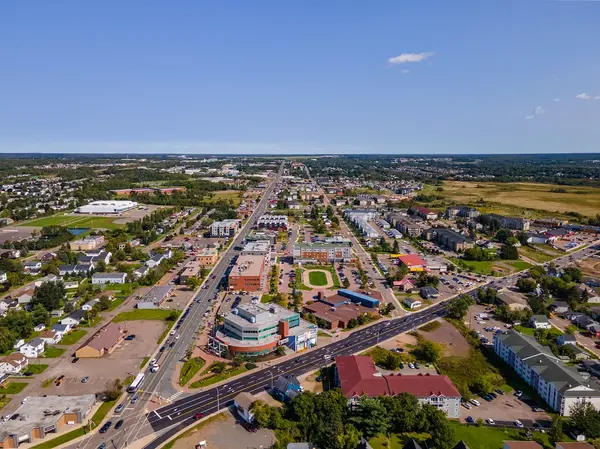
Moncton's 2026 development pipeline is dominated by multi-unit residential projects and master-planned communities, signalling a shift in the city's housing supply composition.
What the Development Data Shows
Moncton's building permit activity has been running well above historical norms since the pandemic-era construction boom, and the trend is continuing into 2026. The City of Moncton's open data portal tracks building and development permits in real time, and the pattern is clear: multi-residential construction is leading the charge. Single-family detached starts are holding relatively steady, but the growth is in apartments, townhomes, semi-detached units, and mixed-use buildings.
In 2024, Moncton issued over $56 million in building permits in Q1 alone, a pace that has carried into 2025 and early 2026. The Housing Accelerator Fund, which allocated $15.5 million to Moncton, has been a catalyst for zoning reforms and incentive programs designed to push density. The city's grant programs for downtown densification, accessory dwelling units, and growth area housing projects are running through 2026, and their effect on the pipeline is measurable.
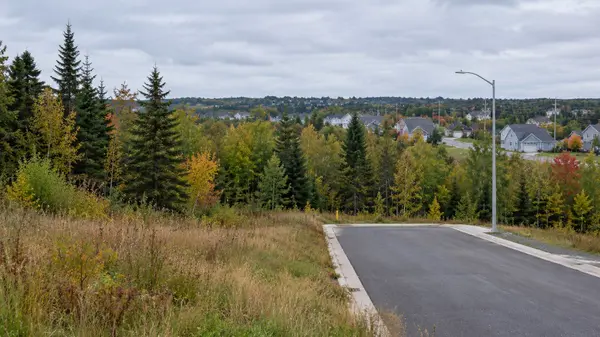
The largest single infrastructure investment on the horizon is the Vision Lands east-west road, estimated at more than $60 million. This project unlocks approximately 527 acres of largely undeveloped land bounded by Mapleton Road, McLaughlin Drive, the Trans-Canada Highway, and Wheeler Boulevard. The master plan envisions up to 14,000 residential units over the next two decades. That is not a speculative number, it is embedded in the city's official planning documents and infrastructure funding applications.
Why It Matters for Real Estate
The composition of new supply determines who benefits and who faces headwinds. If you own a single-family home in an established Moncton neighbourhood, the flood of new multi-unit inventory is unlikely to compete directly with your property. In fact, the relative scarcity of new detached builds may support your resale value. REMAX's 2026 outlook forecasts average residential prices to increase 2.7% year over year, with the strongest demand concentrated in single-detached homes priced between $500,000 and $650,000.
For investors, the picture is more nuanced. The apartment and multi-unit pipeline is substantial. Vacancy rates in the Moncton CMA have been climbing from pandemic-era lows, and the next 12 to 18 months will bring significant new rental inventory online. Cap rates on multi-unit properties purchased at 2022 or 2023 prices may compress if rents do not keep pace with the supply additions. The strategic play is targeting purpose-built units in high-demand locations (proximity to hospitals, universities, transit corridors) rather than chasing volume in fringe areas where new builds will compete for the same tenant pool.
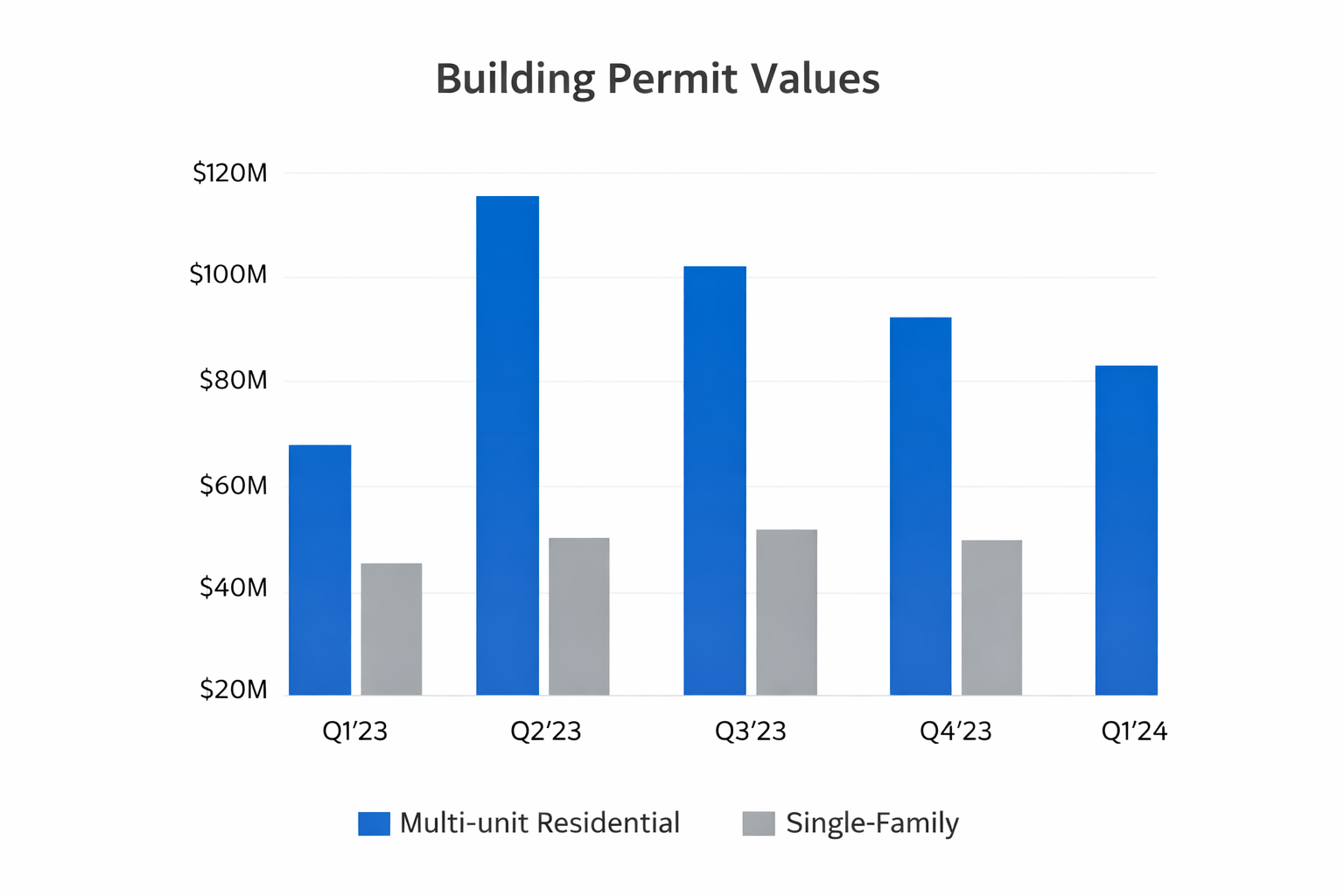
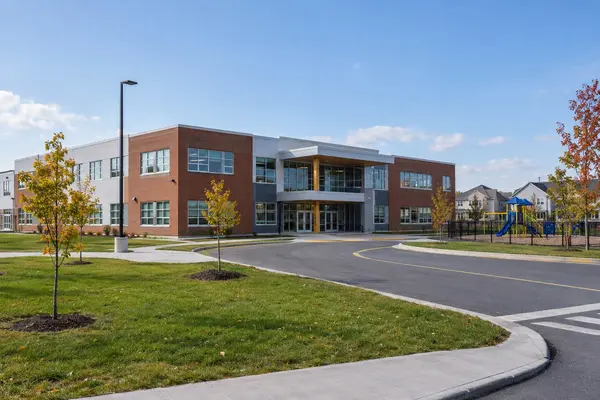
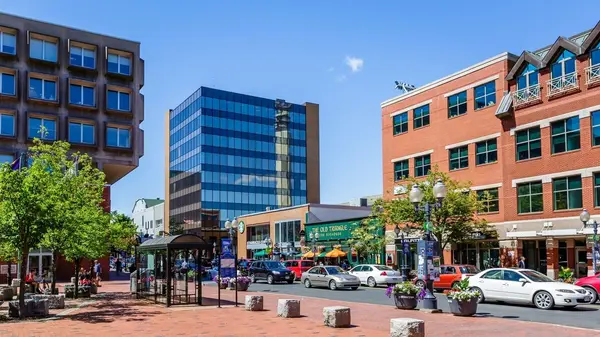
Multi-unit residential projects now account for the majority of Moncton's building permit value, reshaping the city's housing stock composition.
What It Means for Buyers and Sellers
If you are buying a new construction home in Moncton in 2026, you have more leverage than you have had in years. The supply pipeline is active, builders are competing for buyers, and the days of bidding wars on pre-construction lots are largely behind us. Focus on neighbourhoods where infrastructure investment is confirmed, not promised. The Vision Lands area, Moncton North, and corridors adjacent to Mapleton Road and Wheeler Boulevard are where the city is putting real dollars into roads, utilities, and transit access.
For sellers of existing homes in Moncton, the development pipeline is a double-edged factor. If your property is a detached home in an established neighbourhood with amenities, schools, and walkability, you benefit from the fact that new builds are largely targeting a different segment. But if you own a condo or older apartment building, the incoming supply represents real competitive pressure. Pricing accurately and moving decisively is more important now than it was 12 months ago.
Use the mortgage calculator to model what a new build purchase looks like at current rates, and compare it against resale options on the map search. The math often favours established homes when you factor in immediate occupancy, negotiation room, and lower carrying costs during the transaction period.
Local Insight
Most buyers looking at new construction in Moncton focus on the sticker price and the finishes. That is the wrong starting point. The question you should be asking is: what does the infrastructure investment around this property look like in 5 years? A home in a subdivision with confirmed road upgrades, municipal water and sewer extensions, and proximity to a transit corridor will appreciate differently than one built on a private well at the edge of the city's service boundary.
Moncton's open data portal and the Plan360 permitting system are underused tools for buyers and investors. You can see exactly which development permits have been issued, where rezoning applications are pending, and what the city's capital budget is allocating to roads and utilities. That information is public, free, and far more predictive of long-term property value than the colour of your kitchen countertops. If you want help interpreting what the data means for a specific neighbourhood or property, that is exactly the kind of analysis I do for my clients.
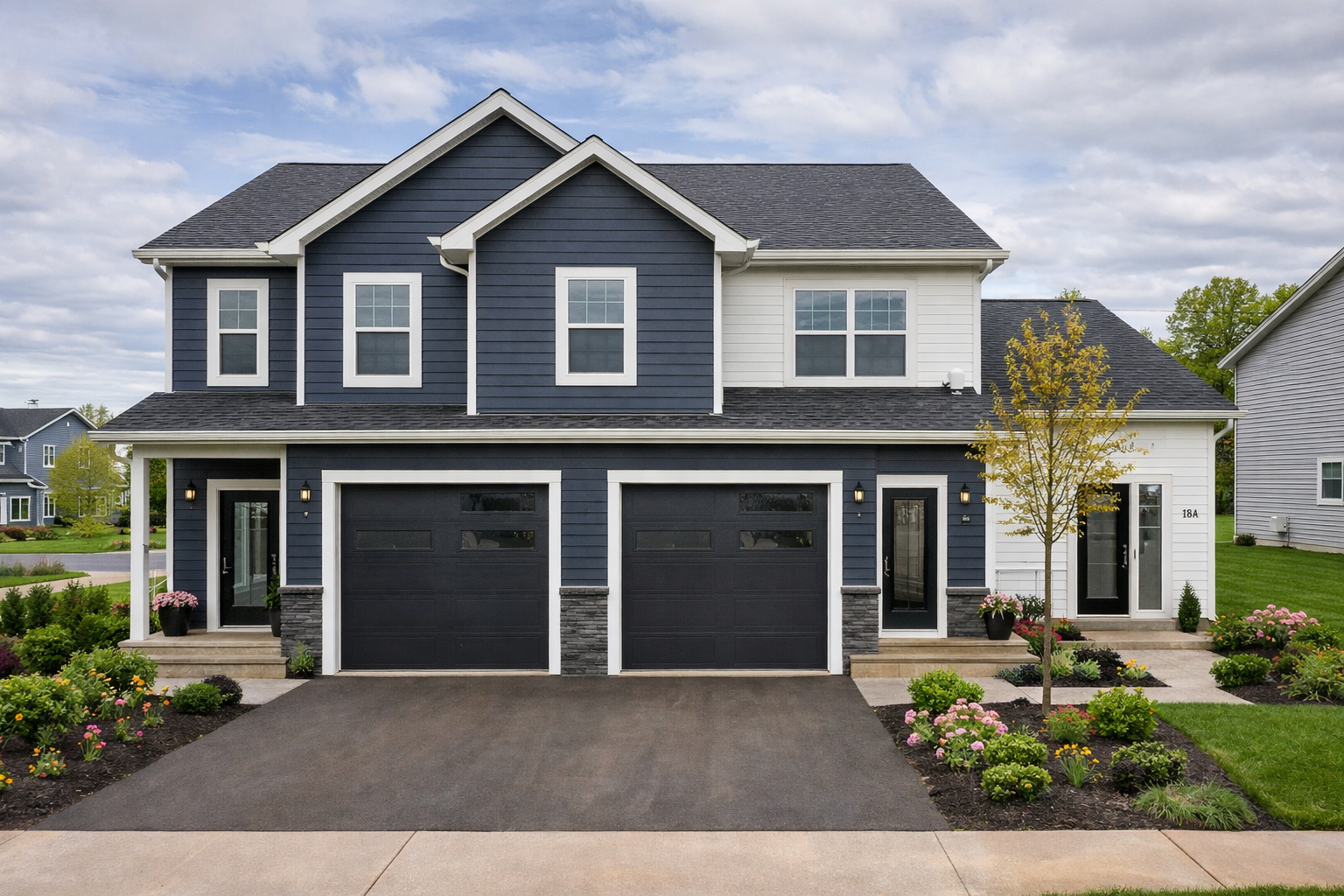
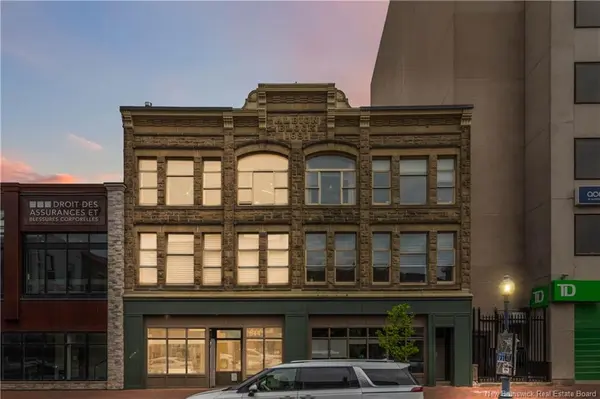
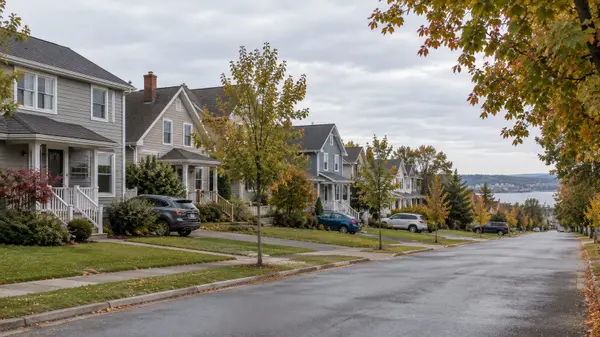
Semi-detached homes with accessory dwelling units are an emerging product type in Moncton, driven by HAF incentives and updated zoning.
Ready to Make a Move?
Whether you are considering a new build or a resale property in Moncton, the development data should inform your decision. Here is where to start:
Browse homes for sale in Moncton

Joel Langlois | Moncton Real Estate
Local expertise • Data-driven pricing • Strategic marketing
Looking to invest in Moncton or Dieppe real estate? Get a targeted analysis of available multi-family and investment properties.
Book an investment consultation with Joel Langlois: sellingwithjoel@gmail.com
This post references publicly available building permit data and market forecasts. It is not intended as financial or investment advice. Consult a licensed professional before making real estate investment decisions. New Brunswick's combined marginal tax rate is approximately 35.32% at the $70,000 income level.
Categories
Recent Posts