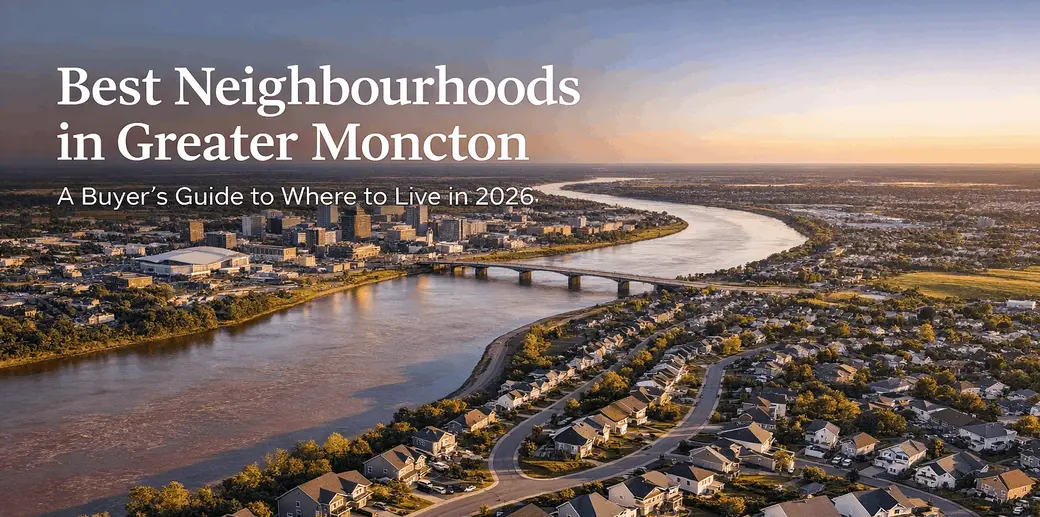
Best Neighbourhoods in Greater Moncton: A Buyer's Guide to Where to Live in 2026
Joel Langlois | eXp Realty | March 2026
Where you buy matters more than what you pay. In a market like Greater Moncton, that distinction is sharper than ever. Each pocket of this region carries a different price trajectory, school catchment, commute profile, and lifestyle fit. Getting the neighbourhood right means your purchase works harder from day one, not just because the number was right.
Greater Moncton is one of the fastest-growing metropolitan areas in Atlantic Canada. Migration-driven demand has tightened supply across desirable pockets, and new development in Dieppe and North Moncton is reshaping where buyers can find value without sacrificing convenience. This guide is built for buyers making a real decision, whether you are relocating from out of province, moving up from a starter home, or investing in a market you want to understand before you commit.
Here is how each major area breaks down.
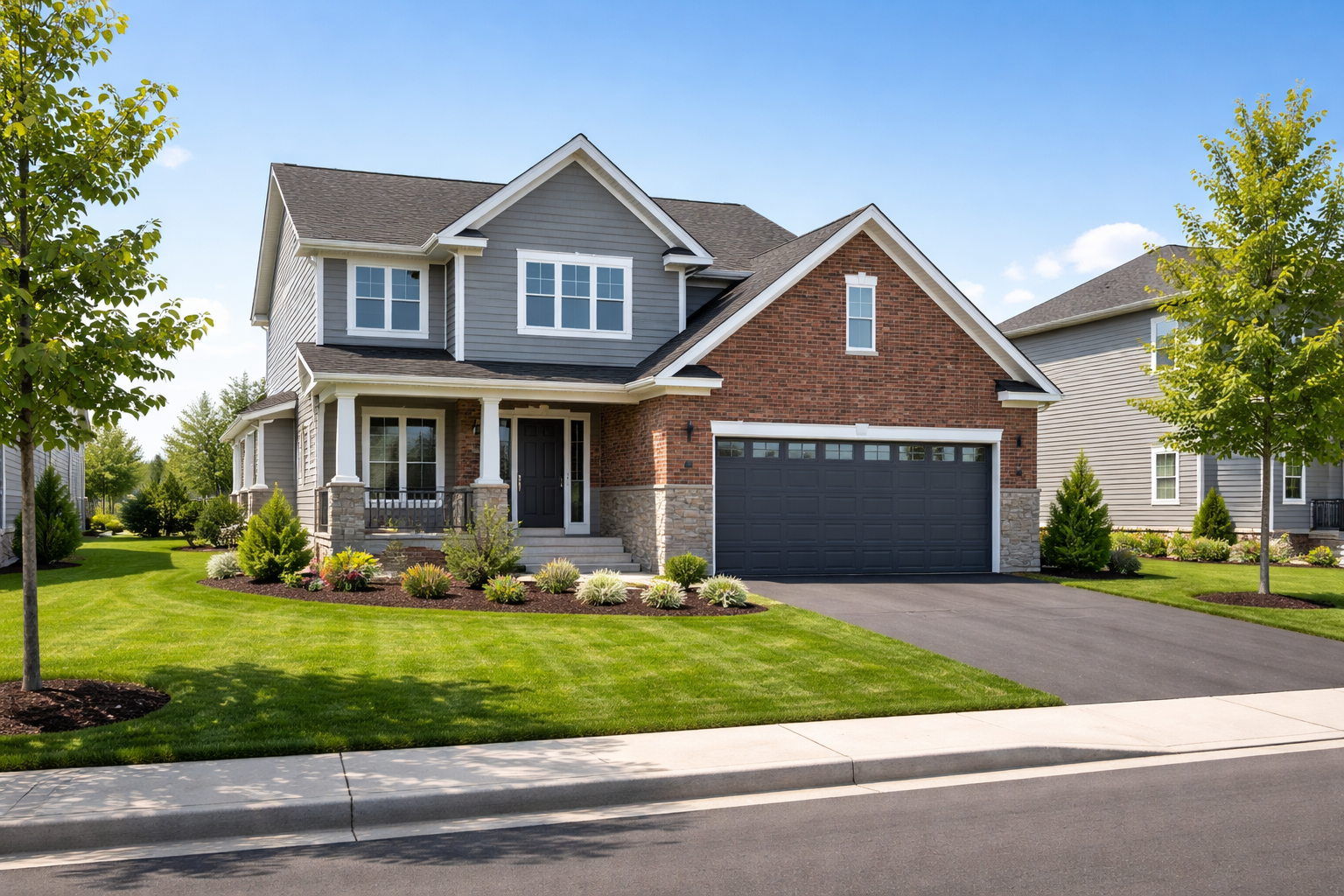
1. Dieppe: Fox Creek and Dover
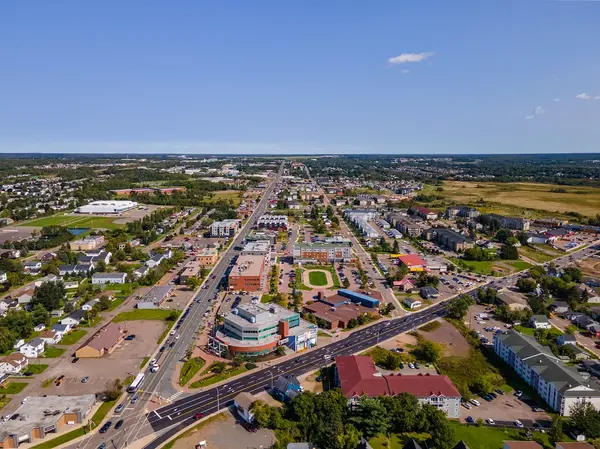
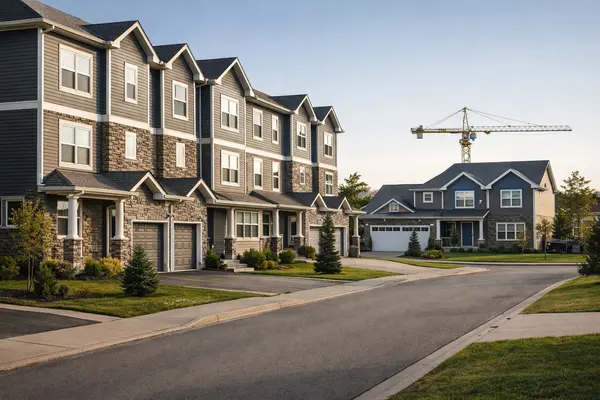
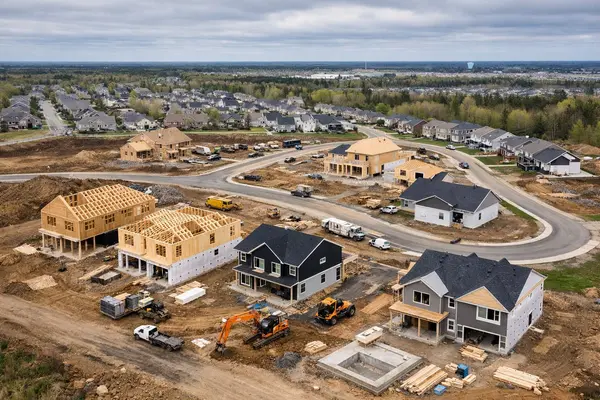
Dieppe is where Greater Moncton's growth is most visible. Fox Creek and Dover represent the newest family home inventory in the region: modern construction, energy-efficient builds, and the infrastructure to match. Sales volume in Fox Creek has consistently ranked among the highest in the tri-city area, driven by strong demand from young families and first-time buyers who want new product without the rural trade-off.
Dover Centre anchors this area with a major recreation facility that includes arena space, fitness amenities, and year-round programming. The surrounding retail corridor is mature: grocery, pharmacy, services, and major shopping are all within minutes.
Chartersville and Le Cour, immediately adjacent, are built around Dieppe's French-language community. The housing mix leans toward semi-detached and single-family homes, and the bilingual school options make this a primary target for families who want French immersion or francophone education from the start.
Price points in Dieppe vary by sub-area and product type, but new single-family homes in Fox Creek and Dover tend to come in above the regional average, reflecting the new-build premium. For buyers who can absorb that entry cost, the long-term case is straightforward: newer mechanical systems, modern insulation standards, and a growing catchment area that continues to attract families with purchasing power.
This area suits first-time buyers who want a new build without waiting years for equity, bilingual households who need the right catchment, and families who want all services within five minutes of their front door.
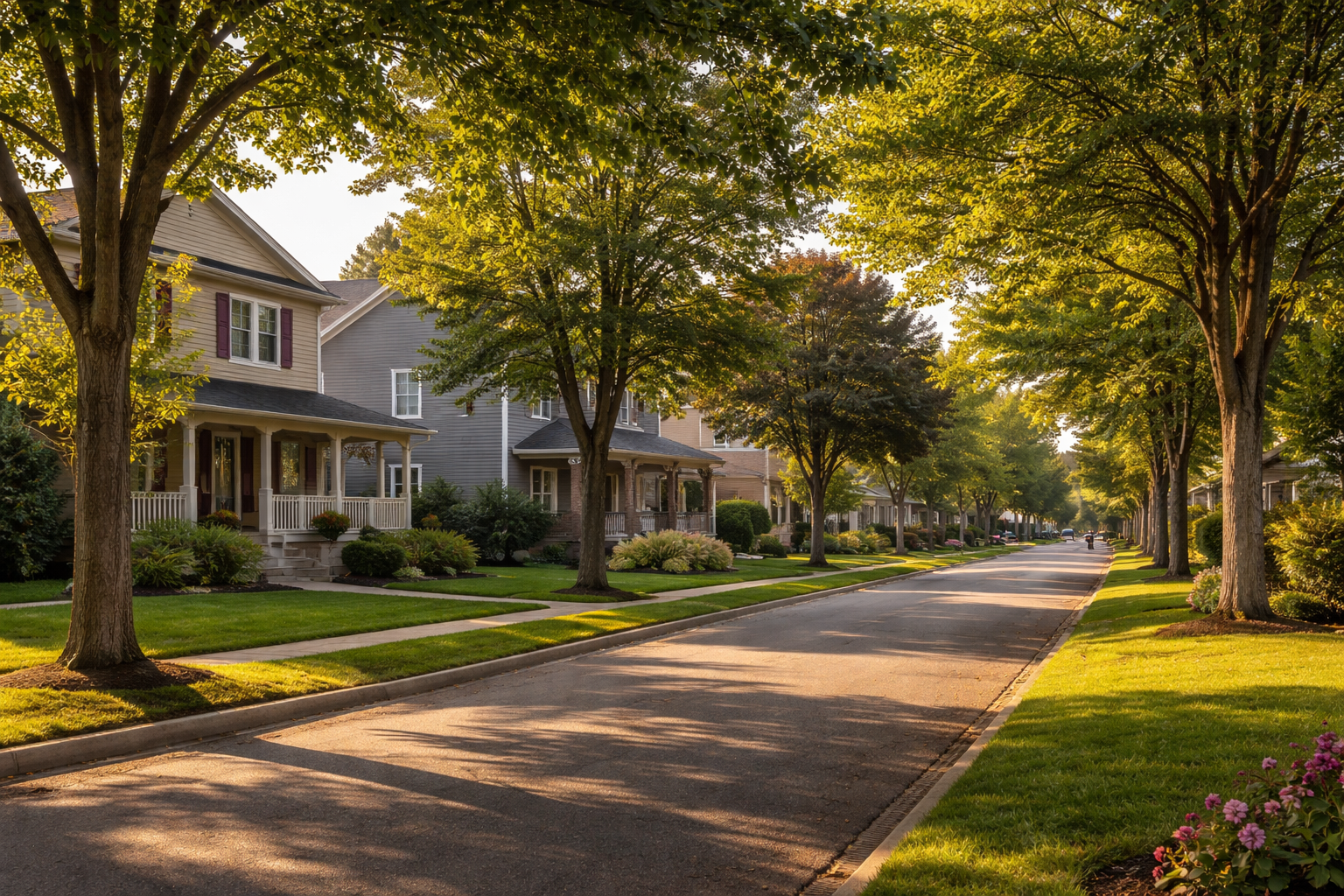
2. Riverview: Mill Creek and Pine Glen
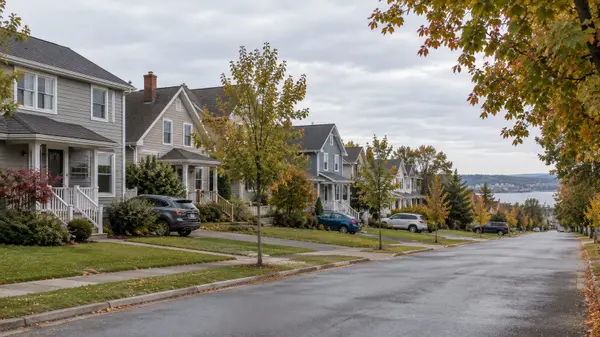
Riverview is the quiet side of the river. Mill Creek and Pine Glen offer well-maintained homes on clean streets, with a suburban feel that does not require a long commute to deliver it. Across the river from downtown Moncton, the drive to Champlain Place or the city core takes under ten minutes in most conditions.
Schools in Riverview are well-regarded, and the area draws consistent demand from families upgrading out of their first home. Riverview Arts Centre anchors community programming. The parks and trail network is accessible without being far from services.
This is not a neighbourhood for buyers hunting for dramatic short-term appreciation. It is a neighbourhood for buyers who want to live well, maintain strong equity, and not revisit their decision five years from now. Move-up buyers and families who have outgrown their starter home find exactly what they need here.
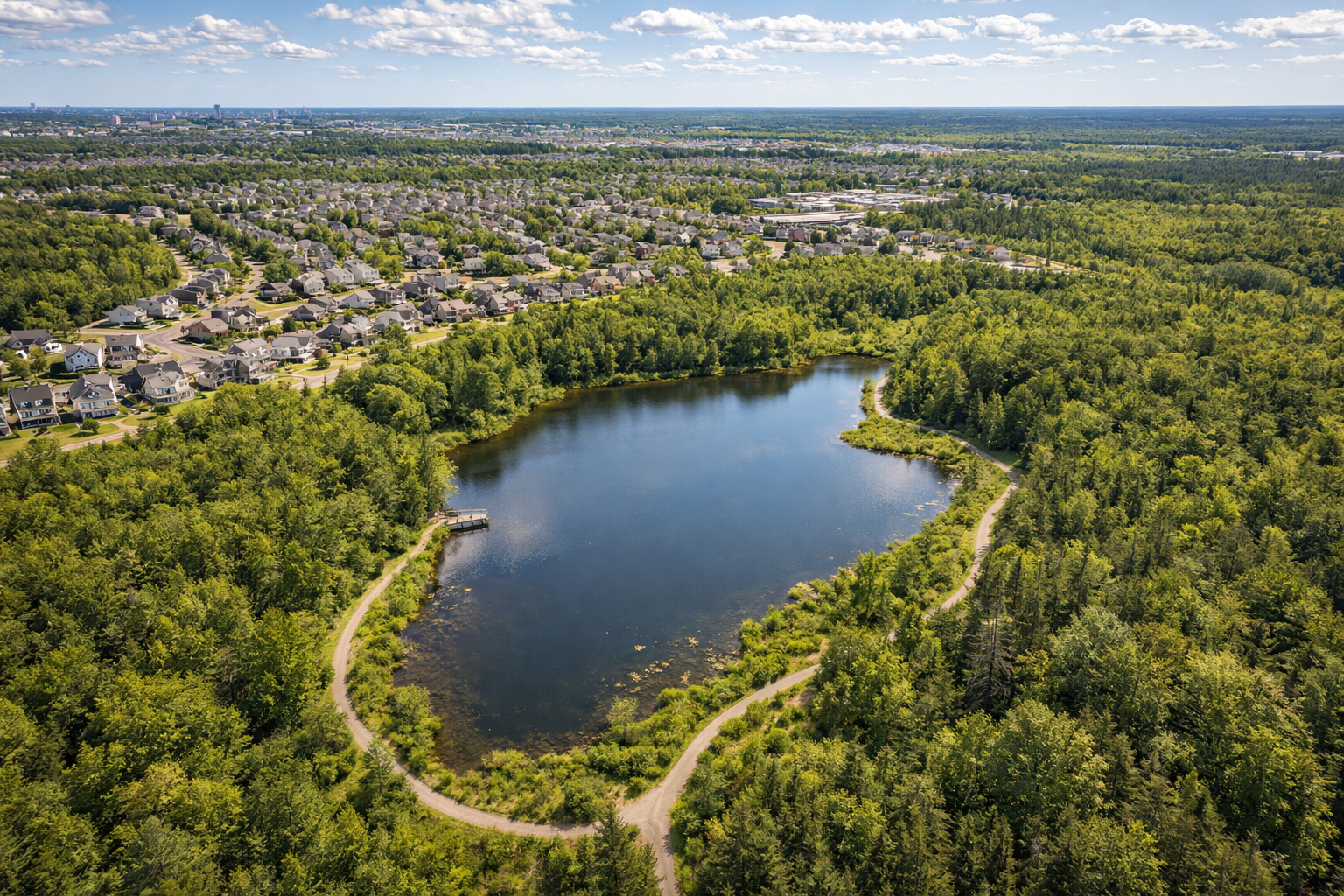
3. Moncton North: Mapleton and Bridgedale
Mapleton and Bridgedale offer the strongest balance of affordability, newer construction, and central location inside the city limits. Trans-Canada access is immediate, major retail is close, and Centennial Park sits within the catchment. One of the region's largest urban parks, it delivers hiking trails, a swimming lake, and winter programming: an underrated asset for families who want outdoor space without going rural.
Schools in this area are well-regarded. Newer builds have come online across Mapleton in recent years, giving buyers a choice between established lots with mature trees and fresh construction on clean streets.
For first-time buyers and families who need value without sacrificing convenience, Moncton North consistently lands on the short list. Price points here tend to be more accessible than Dieppe or the west end, with the same proximity to the rest of the city. That combination of price, location, and park access makes this one of the more durable value propositions in the region.
Buyers who want to enter the market without overextending, then hold a property that appreciates alongside regional growth, should have Mapleton and Bridgedale on their shortlist before committing elsewhere.
Search listings in Moncton North
4. Moncton West: Lewisville and Royal Oaks
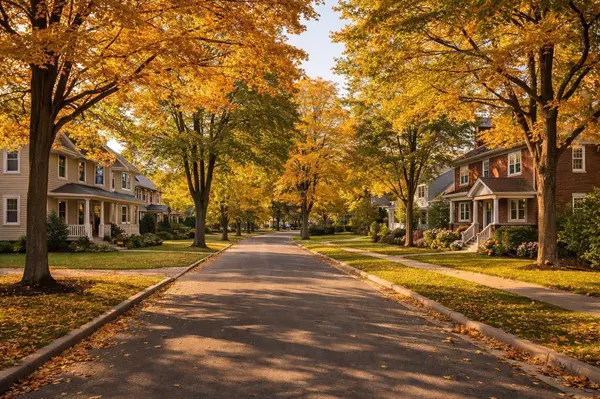
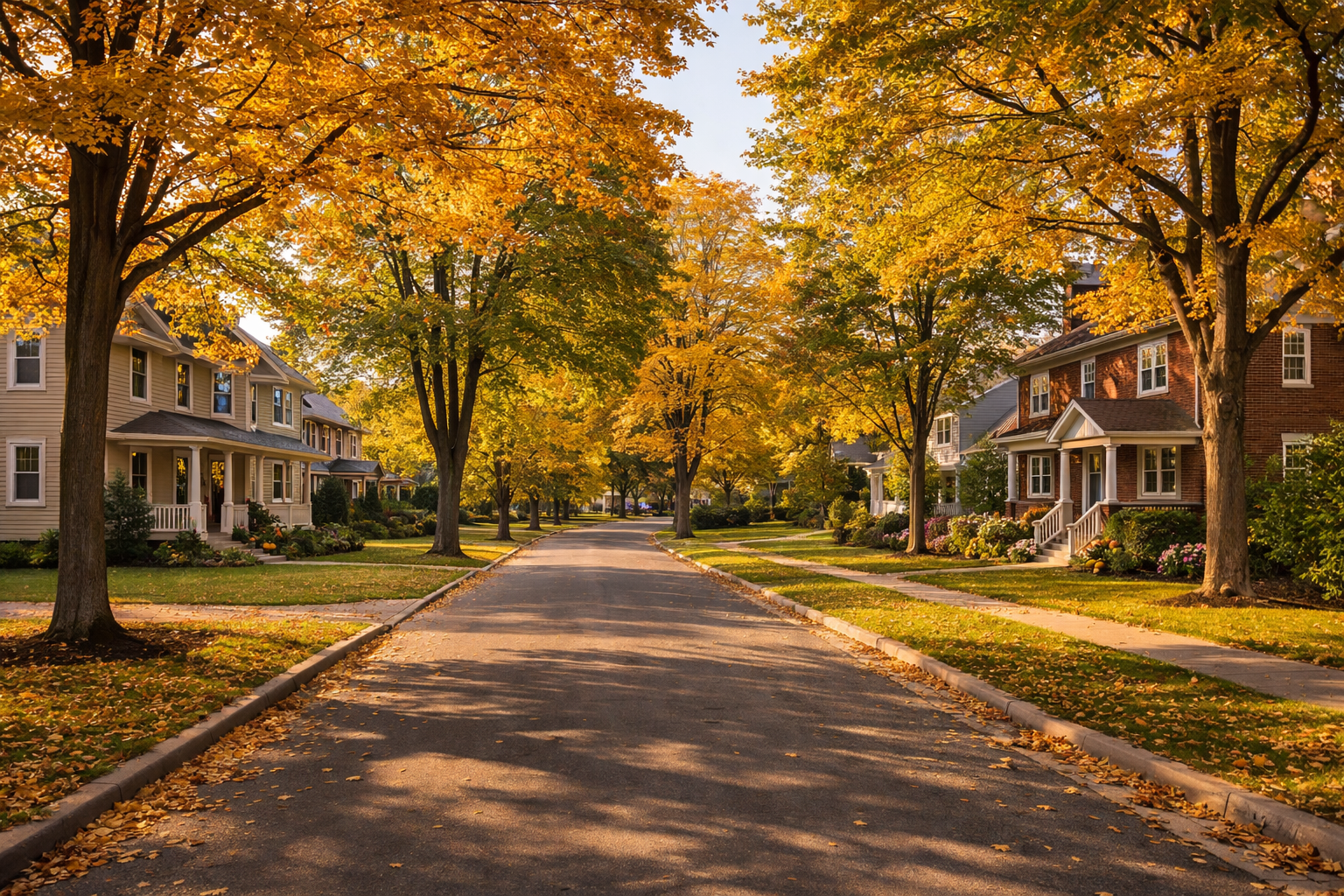
Lewisville and Royal Oaks represent the established end of the Greater Moncton market. Mature trees, larger lots, and a neighbourhood feel built over decades of stable ownership define this area. These are not starter-home streets. They are the kind of streets where people raise families and stay.
Proximity to Costco, Mountain Road retail, and the west-end commercial corridor makes daily logistics simple. Royal Oaks in particular draws professionals and move-up buyers who want square footage and outdoor space without the overhead of an acreage.
If your budget allows and you want a home that delivers lifestyle quality alongside resale stability, the west end of Moncton holds that combination consistently. It does not generate the same buzz as newer developments, but it does not need to. Established infrastructure and demand continuity are the story here.
Turnover in the west end tends to be lower than in newer subdivisions, which means listings move when they are priced well. Buyers who are patient and pre-approved are in the best position to act when the right property becomes available.
Search listings in Moncton West
5. Downtown Moncton
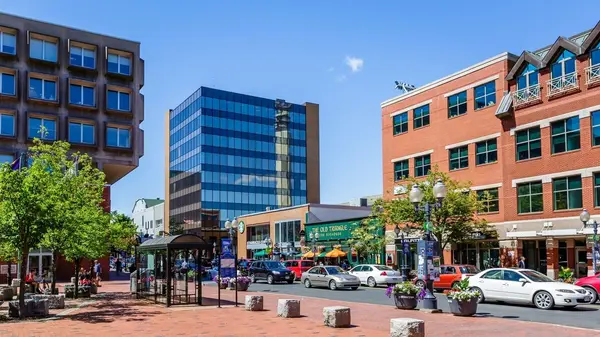
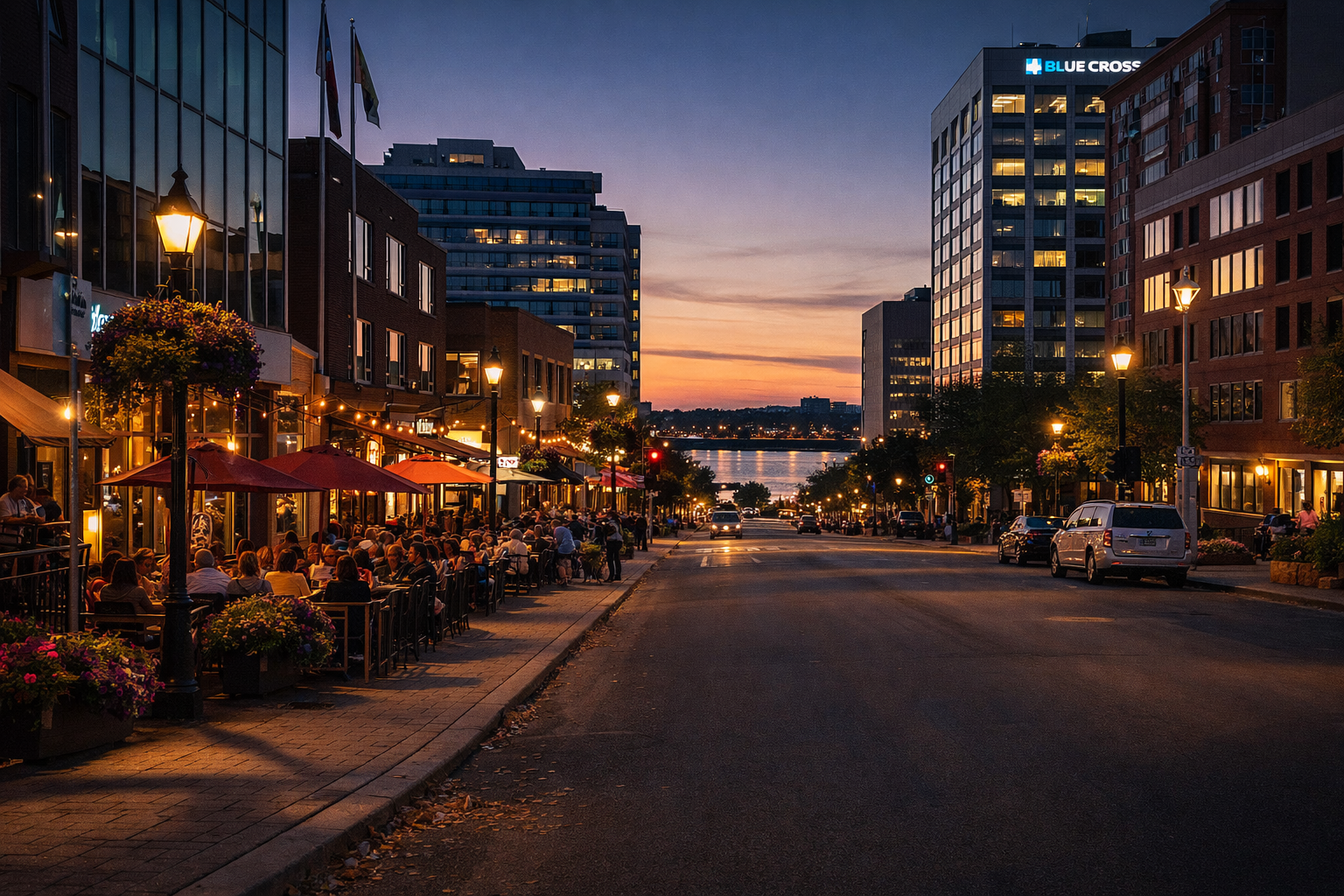
Downtown Moncton has changed. The Avenir Centre has shifted the energy of the core, and the riverfront trail system gives the area a walkability profile that was not there five years ago. Restaurants, services, and nightlife are within walking distance. The commute is short by definition.
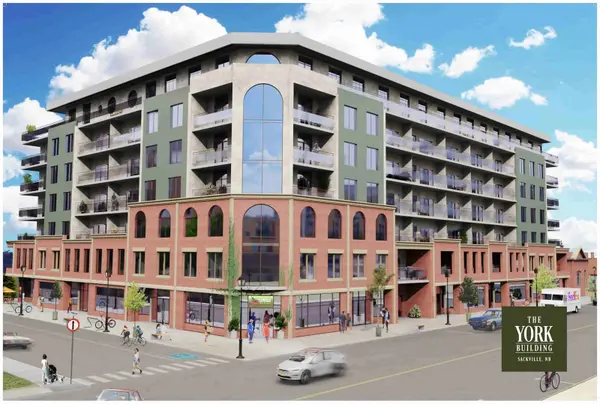
The housing product in the core trends toward mid-rise condos and urban rentals. Investors see it as a market with upside tied directly to population growth and density. Young professionals see it as a place to live close to work and entertainment without a car. Downsizers see it as a clean exit from suburban maintenance.
This is not a neighbourhood for buyers prioritizing square footage or lot size. The trade-off is clear: you get walkability, access, and urban lifestyle in exchange for smaller units and higher price per square foot. For the right buyer, that trade is exactly correct.
Investors buying for rental income should look closely at the downtown core and the blocks immediately adjacent to it. Demand from students, young professionals, and new arrivals keeps vacancy low and rents stable. With Vision Lands and Station Yards still in the planning and early development phase, the supply picture downtown remains tighter than it will be in three to five years, which is a meaningful window for buyers who move now.
Search listings in Downtown Moncton
A Note on the Market
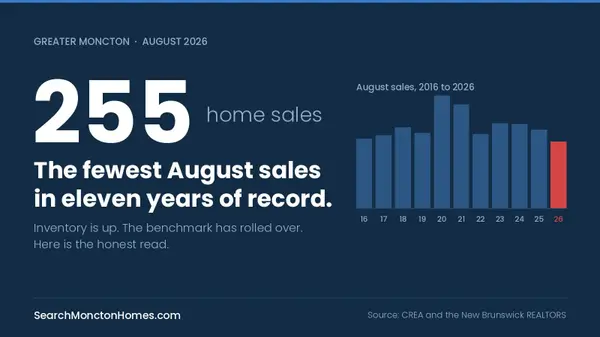
Greater Moncton continues to absorb net migration at a rate few Atlantic Canadian cities have matched. Interprovincial movement from Ontario and Alberta, combined with international arrivals and returning Maritimers, has sustained demand well beyond what local job growth alone would predict.
New supply is primarily concentrated in Dieppe and Moncton North, where development land remains available. Vision Lands and Station Yards represent the next generation of mixed-use density coming online in the core, which will reshape the downtown supply picture over the next several years.
For desirable pockets such as Riverview, the west end, and established Dieppe neighbourhoods, conditions remain balanced-to-seller. Inventory moves. Properties priced correctly do not sit. Buyers who are pre-approved and clear on their target area are the ones who close.
If you want to understand where prices are moving, not where they have been, start with the buyer guide.
The Bottom Line
The neighbourhoods in Greater Moncton are distinct enough that picking the right one is a strategic decision, not a preference. Life stage matters. Budget ceiling matters. Whether you need bilingual schools, want a short commute, or are buying for appreciation potential will point you to different areas with different risk-return profiles.
Do not optimize for listing price. Optimize for fit, trajectory, and hold period.
If you are at the point where you need someone to help you map out the decision before you start touring, book a call and we will work through it.
Check what your home is worth | Explore the map

Joel Langlois | Moncton Real Estate
Local expertise • Data-driven pricing • Strategic marketing
Categories
Recent Posts