Station Yards Moncton: What the New Master Plan Means for Buyers and Investors
Joel Langlois | Moncton Real Estate | March 2026
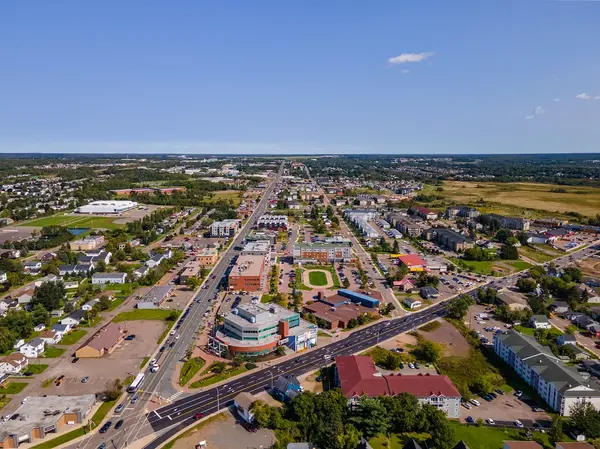
Moncton is growing. That is not a new observation. What is new is the scale and structure of how the city plans to grow over the next decade and a half. In January 2026, Moncton city council voted unanimously to approve a master plan for a new neighbourhood called Station Yards. Eighty-one acres. Approximately 4,500 residential units. A projected population of around 9,000 new residents. A timeline of 10 to 15 years.
This is the largest planned urban development in Moncton in recent memory, and it deserves a clear look.
What Is Station Yards?
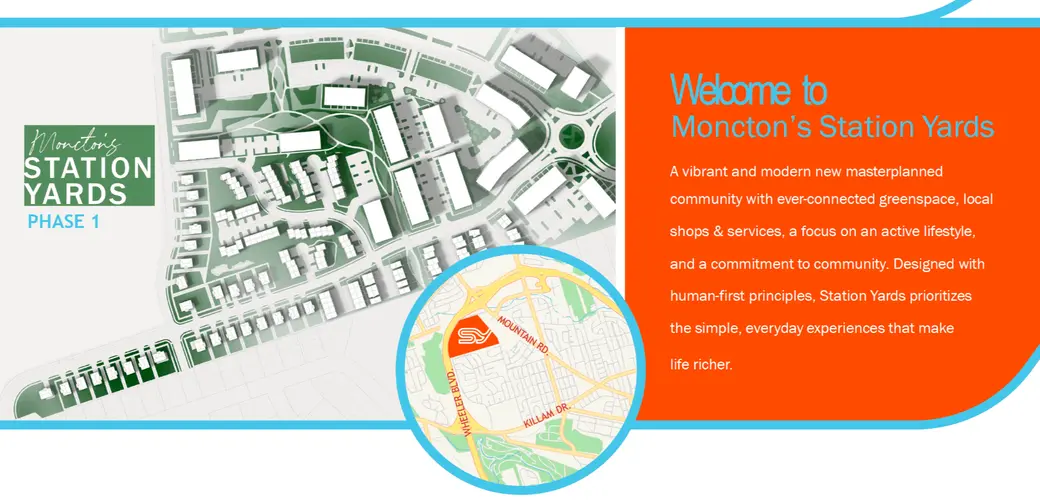
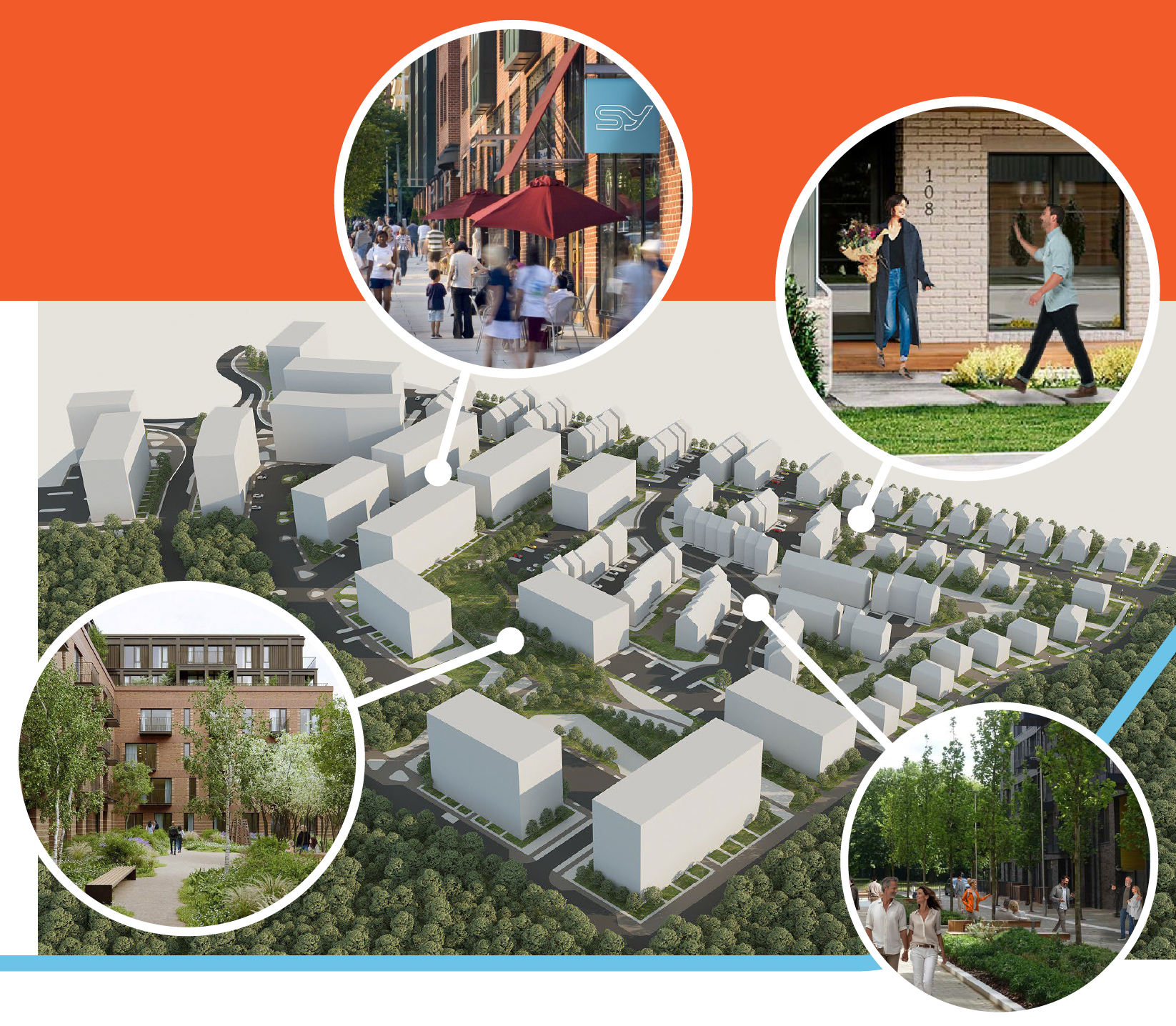
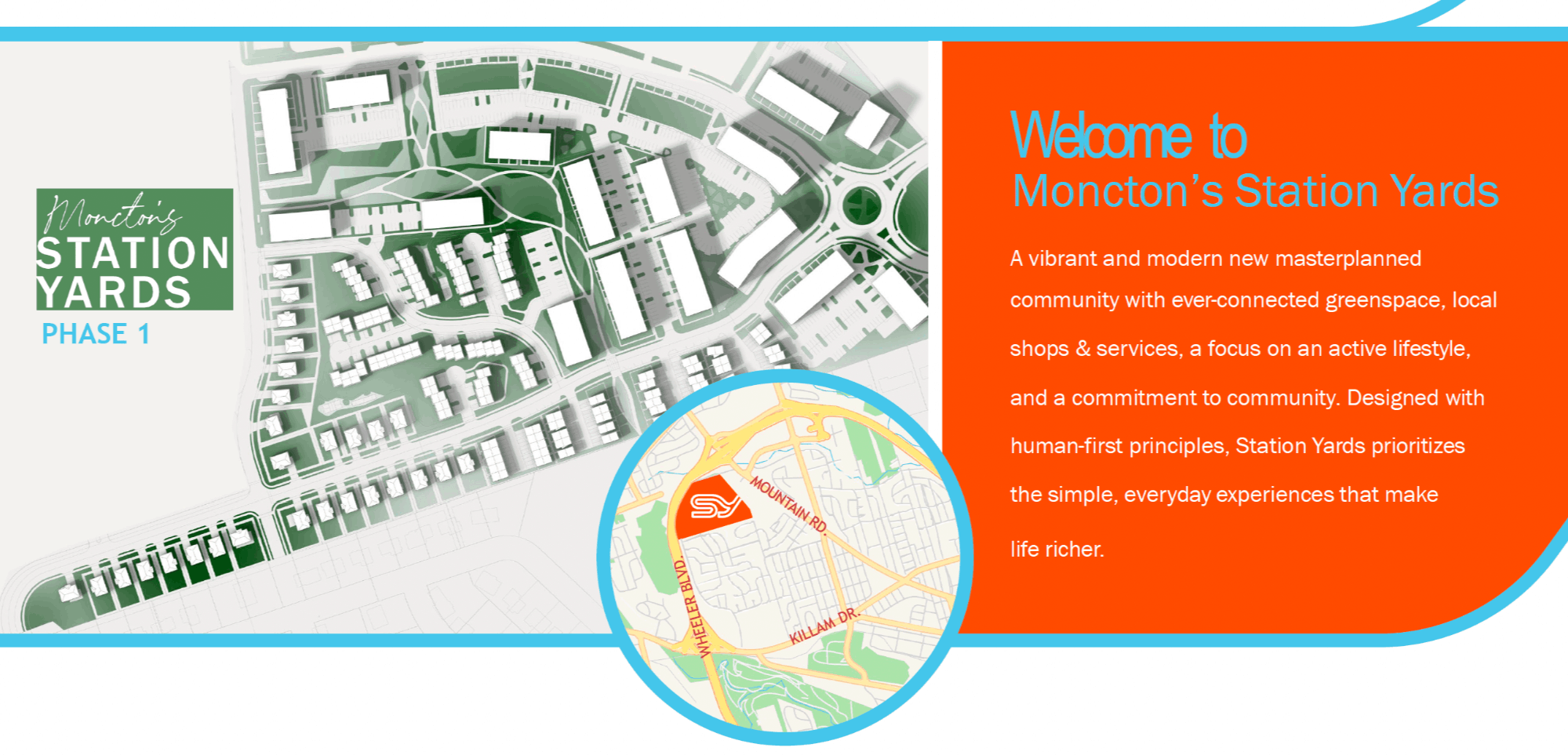
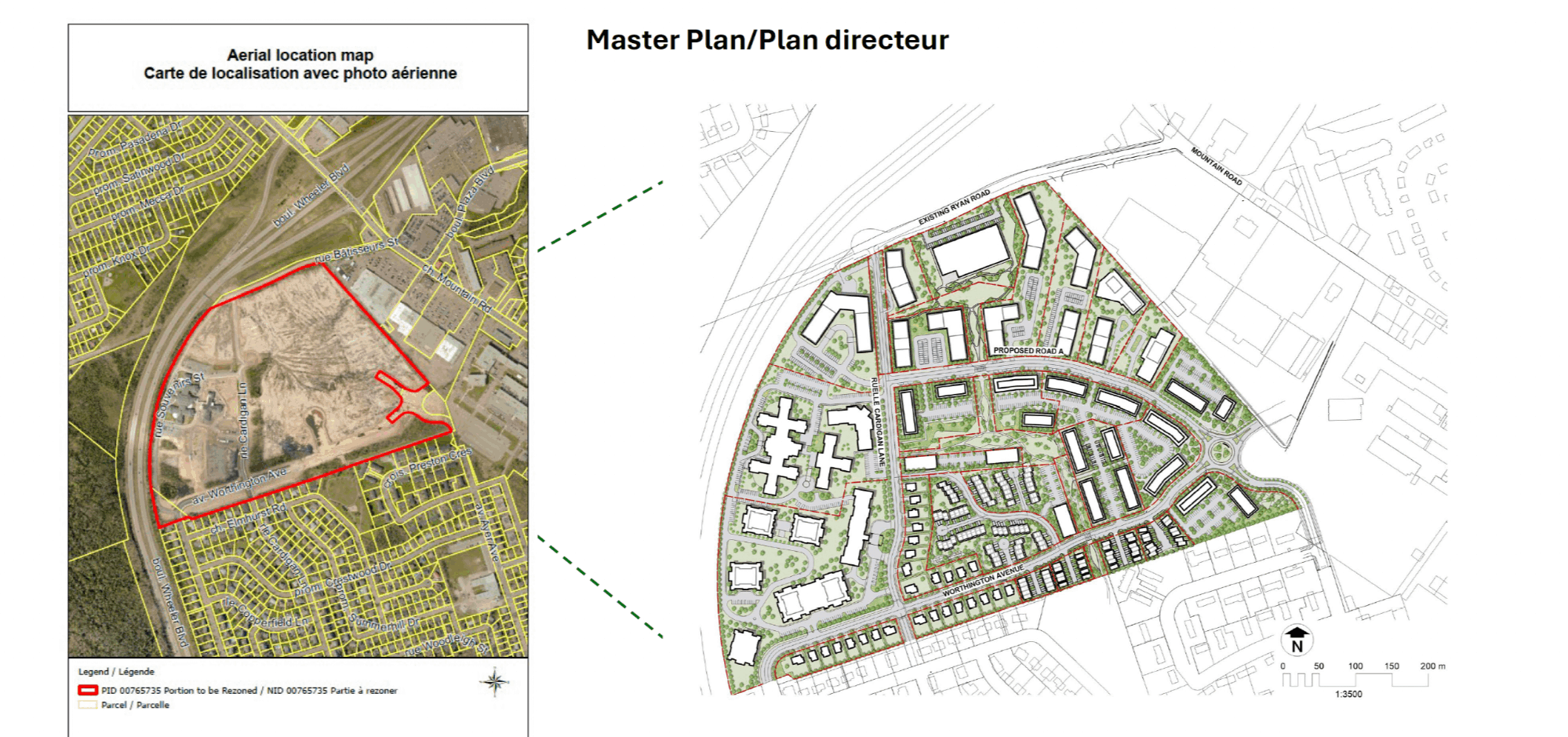
Station Yards is the name given to a master-planned neighbourhood on land currently owned by Shannex, a Nova Scotia-based long-term care operator that runs a 180-bed nursing home on the western edge of the property. The site sits north of Pinehurst, south of Wheeler Boulevard, and west of Mountain Road.
The name itself pays tribute to Moncton's history as a CN Railway hub. That heritage is not incidental. Moncton built its identity as a connector city, and Station Yards is, in many ways, a continuation of that logic applied to modern urban planning.
The Scale of What Is Coming
To put Station Yards in perspective, consider the numbers:
- 81 acres of land in a central Moncton location
- 4,500 new residential units across a mix of housing types
- Approximately 9,000 new residents over a 10 to 15 year build-out
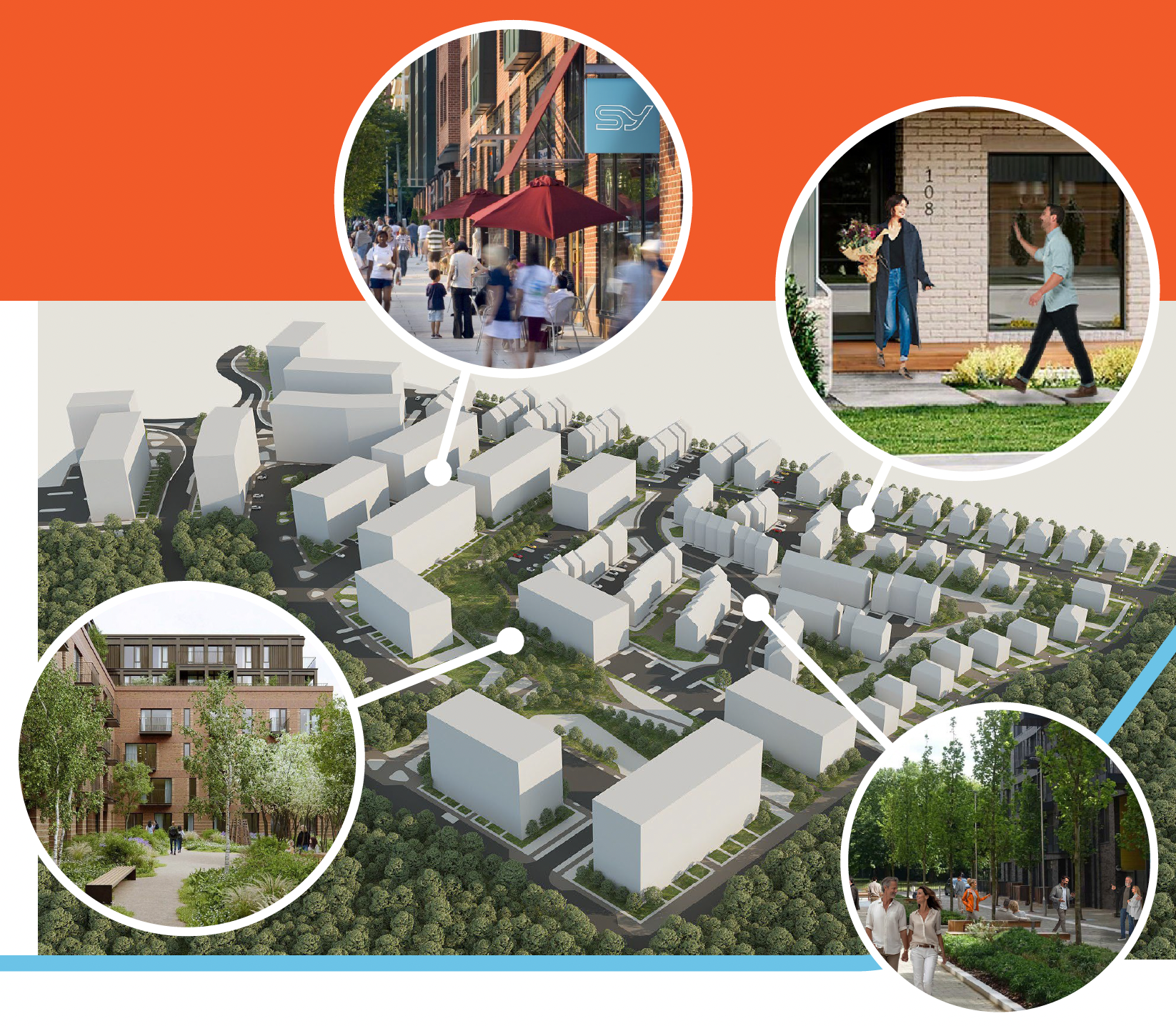
- Building heights ranging from 3-storey townhouses in the south to 18-storey towers near Wheeler Boulevard
- A 20-acre Shannex campus expansion to accommodate 800 additional seniors residents in independent and semi-dependent living
- A 3.5-acre parkland reserve and a green corridor running through the development
To frame this differently: when complete, Station Yards would add a population roughly the size of Sackville or Sussex to a single neighbourhood inside Moncton's urban boundary.
What Will Be Built, and for Whom
City planner Josh Davies has indicated the expectation of genuine housing choice in Station Yards, including rental units, homeownership opportunities, and student housing given the proximity to New Brunswick Community College on Mountain Road.
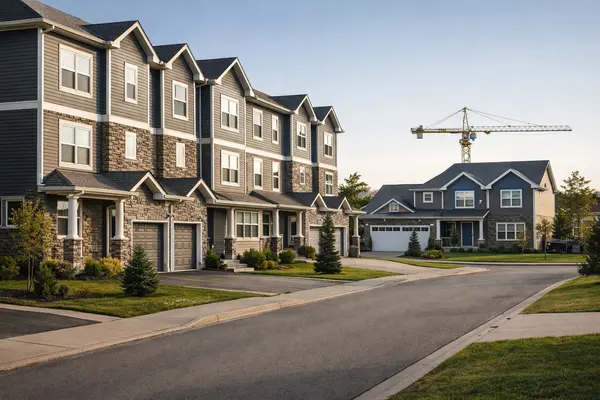
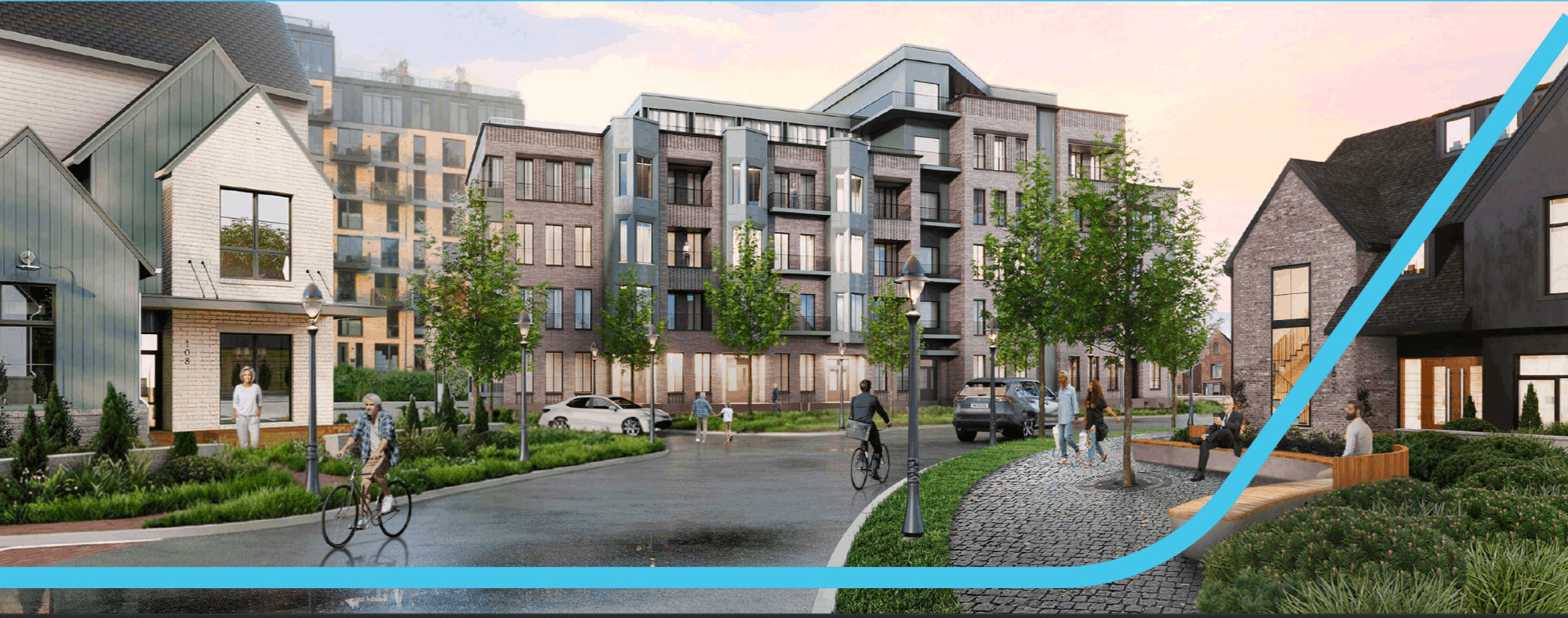
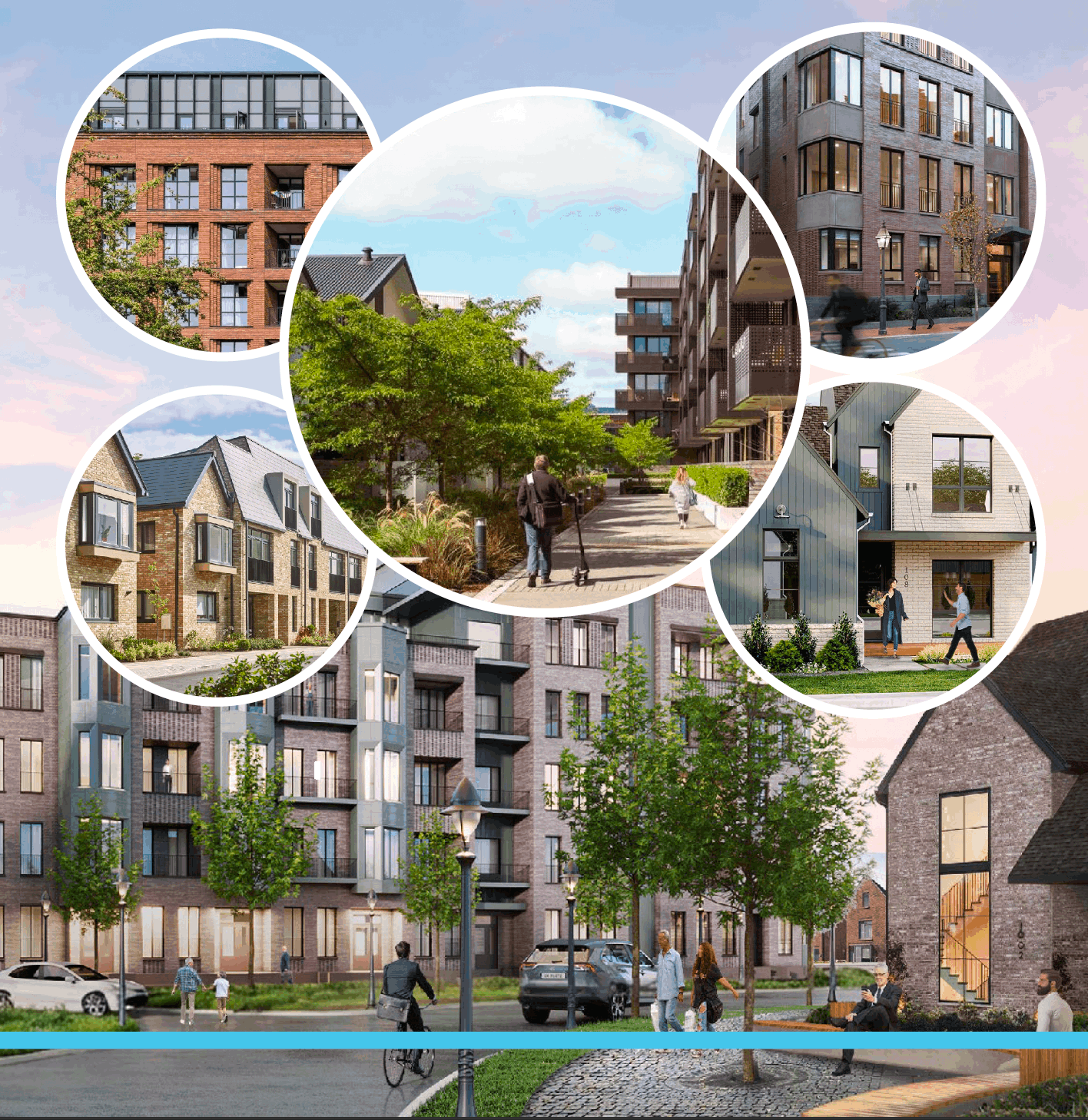
The transition in building scale is deliberate. Smaller, more contextual townhomes will anchor the southern edge, with density increasing gradually as you move north toward Wheeler Boulevard, where the tallest buildings will be concentrated. Planners have imposed 41 conditions on the approval, including strict design standards for the high-rise components to ensure quality control.
Shannex, which retains a 20-acre portion of the site, plans to build a seniors living campus with buildings up to 12 storeys. This is not speculative. Shannex has already broken ground on the long-term care component of their Moncton expansion.
A Design Built Around People, Not Cars
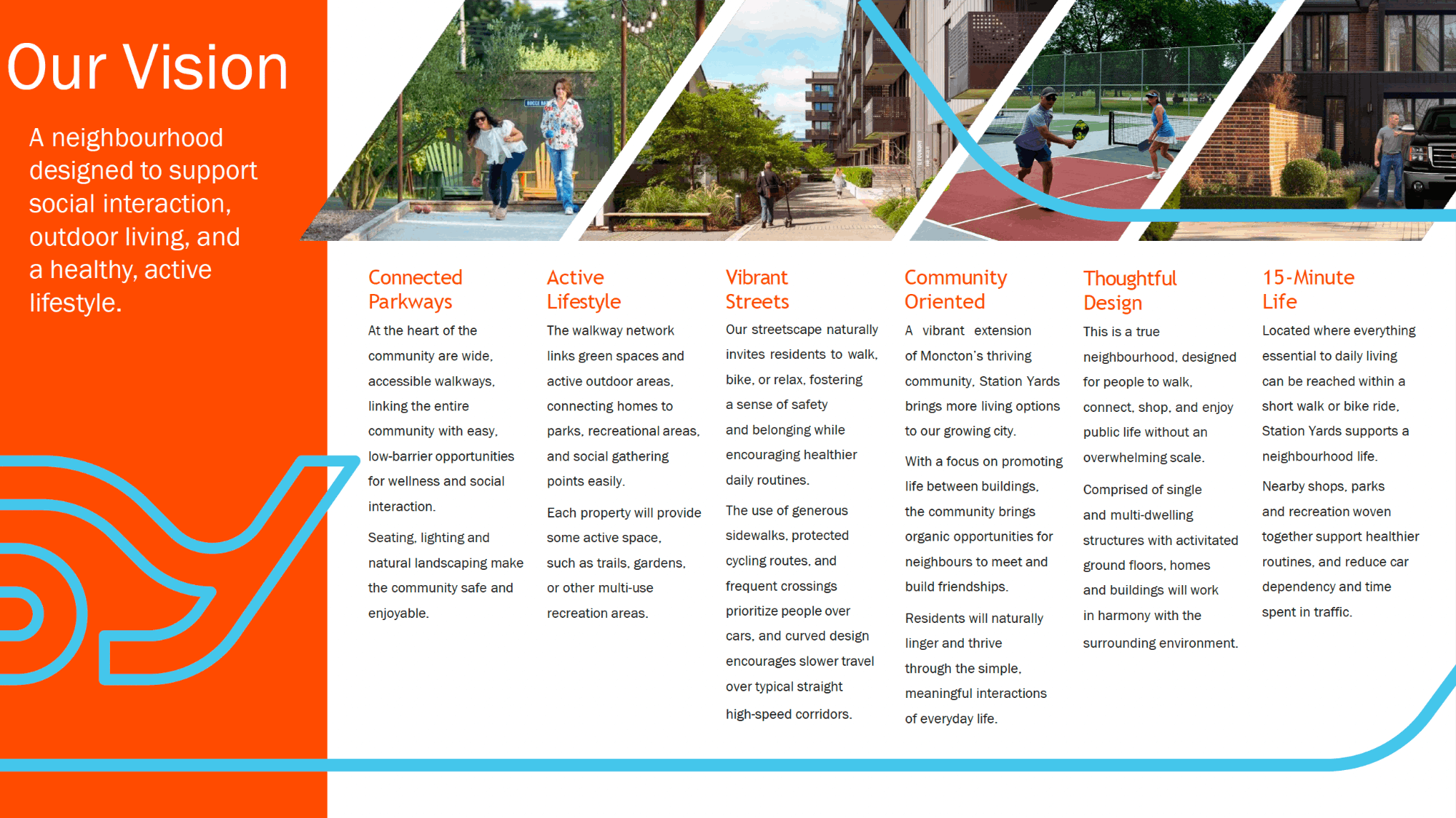
The planning philosophy behind Station Yards reflects a shift in how Moncton is thinking about new development. Davies stated clearly: the master plan was designed with people in mind, not vehicles.
That translates into a road network with a roundabout connecting to Mountain Road, pedestrian and multimodal trail connections, a proposed future link to Plaza Boulevard, and a green corridor running through the site. The city has already shared the plan with Codiac Transit as it works through its own transportation master plan.
Whether full transit integration materializes will depend on how the city's broader transit strategy develops over the next several years. That is a legitimate open question. But the infrastructure to support it is being designed in from the start, which matters.
How This Fits Moncton's Bigger Picture
Station Yards does not exist in isolation. It is one piece of a broader growth response the City of Moncton is executing under pressure from sustained population growth.
Greater Moncton grew 2.9 percent in 2025 alone, pushing the CMA population past 196,000. The City of Moncton crossed 102,000 residents last year. Moncton has ranked among Canada's fastest-growing metropolitan areas for four consecutive years.
The city's Urban Growth Strategy identifies a need for approximately 16,000 new housing units to keep pace with demand, with roughly half expected to be high-density. A separate proposal is already advancing to unlock the Vision Lands, a 527-acre area that could eventually house 30,000 additional residents.
Moncton is also one of the most in-demand rental housing market in Canada, a position it has now held for multiple consecutive quarters according to national rental housing data. Supply is not keeping pace with demand, and the city is attempting to close that gap through density-focused, infill-prioritized planning. For current homeowners wondering how large-scale developments like Station Yards may affect property values, inventory levels, and timing strategy, I’ve outlined key considerations in my Moncton Seller Guide.
What This Means for Moncton Residents
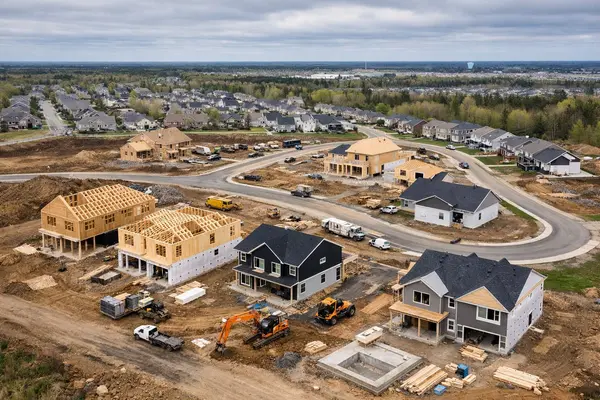
For residents living near the project area, particularly in Pinehurst and along Mountain Road, the coming years will involve construction activity and increased traffic as the site is built out. That is a realistic expectation for a development of this scale.
For prospective homebuyers and renters in Moncton, Station Yards represents a future supply of housing in a market that has been supply-constrained. If you are navigating the Moncton market for the first time, or planning a move within the city, you may find my step-by-step Moncton Buyer Guide helpful as a starting point.
More units entering the market over the next decade creates additional options, particularly for those seeking walkable, higher-density living.
For Moncton as a whole, this kind of planned infill development, adding density within the existing urban boundary rather than sprawling outward, generally produces better long-term outcomes for city finances, infrastructure, and livability.
The unanimous council vote signals broad political support. The 41 conditions attached signal that the city is not rubber-stamping this, but actively managing quality standards. Both of those things together are generally a good sign.
The Bottom Line
Moncton is not slowing down. Station Yards is evidence of that, but also evidence of a city that is trying to grow with intention rather than without structure.
A new neighbourhood of 9,000 people takes time to build. The first phases of Station Yards will not transform the city overnight. But the approval of this master plan establishes the framework for one of the most significant additions to the Moncton housing supply in a generation.
That is worth paying attention to.
Station Yards is one of several developments reshaping Moncton over the next decade. If you are considering buying in a new subdivision or investing in Greater Moncton real estate, I can help you evaluate the opportunity and compare it to what is available across the market today.
Book a Call with Joel | Get Your Free Home Value

Joel Langlois | Moncton Real Estate
Local expertise • Data-driven pricing • Strategic marketing
Sources
CBC News: Moncton council approves master plan for Station Yards
Categories
Recent Posts